
Banish industrial odours and volatile organic compounds (VOCs) with ModuPlasma®. A high-efficiency, direct cold-plasma oxidation system that runs without chemicals, scrubbing water, or fuel gas.
Odour & VOC Capture
OpEx Savings vs RTO
Chemical Additives
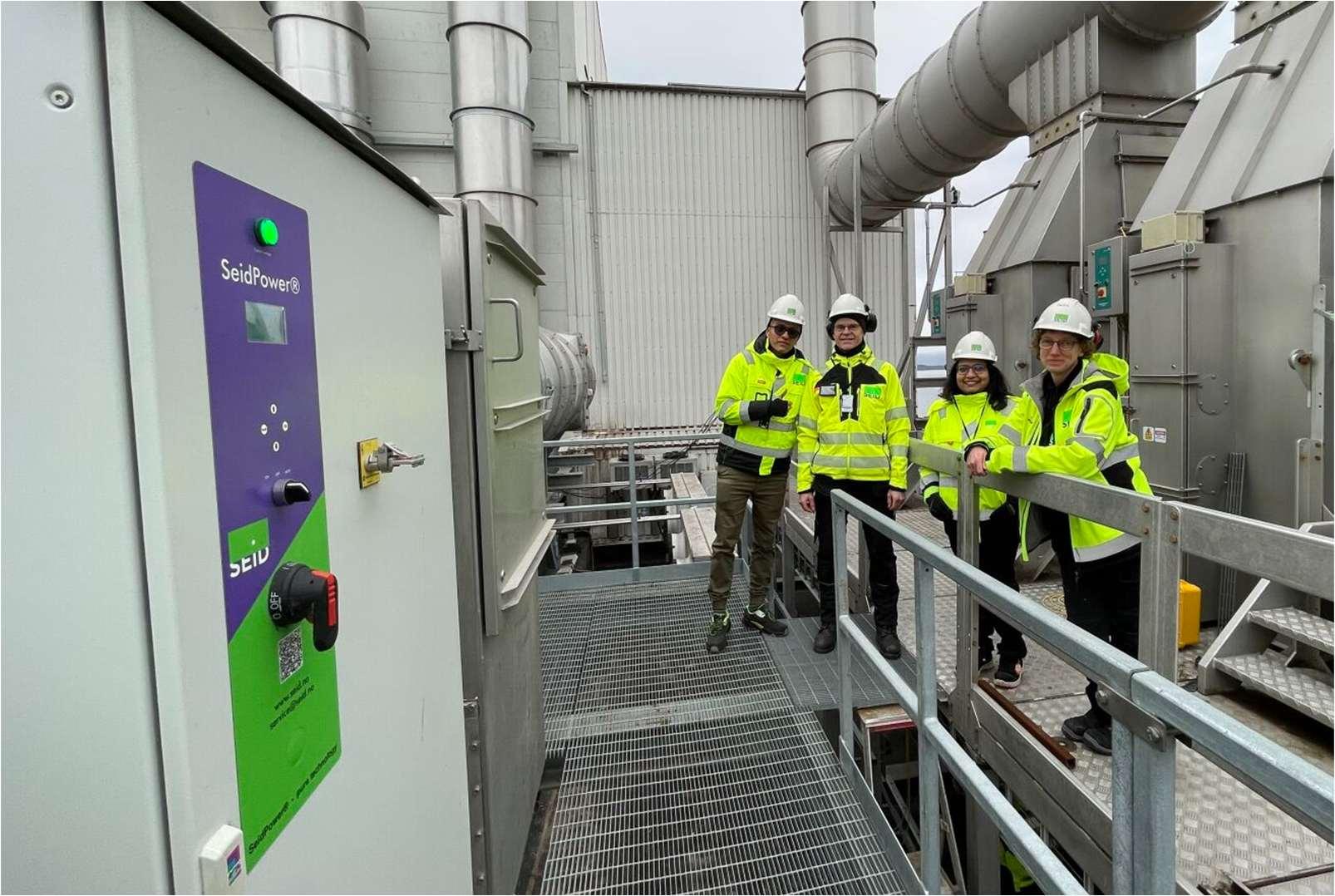
Meeting strict odour and VOC limits is critical, but traditional technologies like incinerators and carbon beds impose massive costs and secondary pollution.
Regenerative Thermal Oxidizers (RTOs) burn massive amounts of natural gas to heat airflow to 800°C. This creates huge energy bills and high CO2 emissions, even for dilute solvent streams.
Activated carbon filters saturate quickly under continuous VOC loads. Replacing saturated carbon beds is expensive, requires frequent downtime, and incurs toxic waste disposal fees.
Wet chemical scrubbers consume millions of gallons of water and require constant dosing of aggressive oxidant chemicals (like chlorine or bleach), generating secondary liquid waste.
ModuPlasma® passes polluted air directly through a non-thermal plasma field, where high-energy electrons split chemical bonds and destroy pollutants instantly at ambient temperatures.
Passing process gas directly through the plasma field creates highly reactive radicals and ions. These species collide with VOC and odor molecules, initiating oxidation reactions 100,000 to 10,000,000 times faster than natural air oxidation. The pollutants are destroyed in milliseconds without heating the air stream.
Our ModuPlasma® HDP (High-Density Plasma) cabinets pack high capacity into a tiny footprint. Scalable from single modules up to large multi-cell systems, they utilize ModuPower® solid-state high-frequency power supplies to maintain continuous ionization fields under fluctuating gas concentrations.
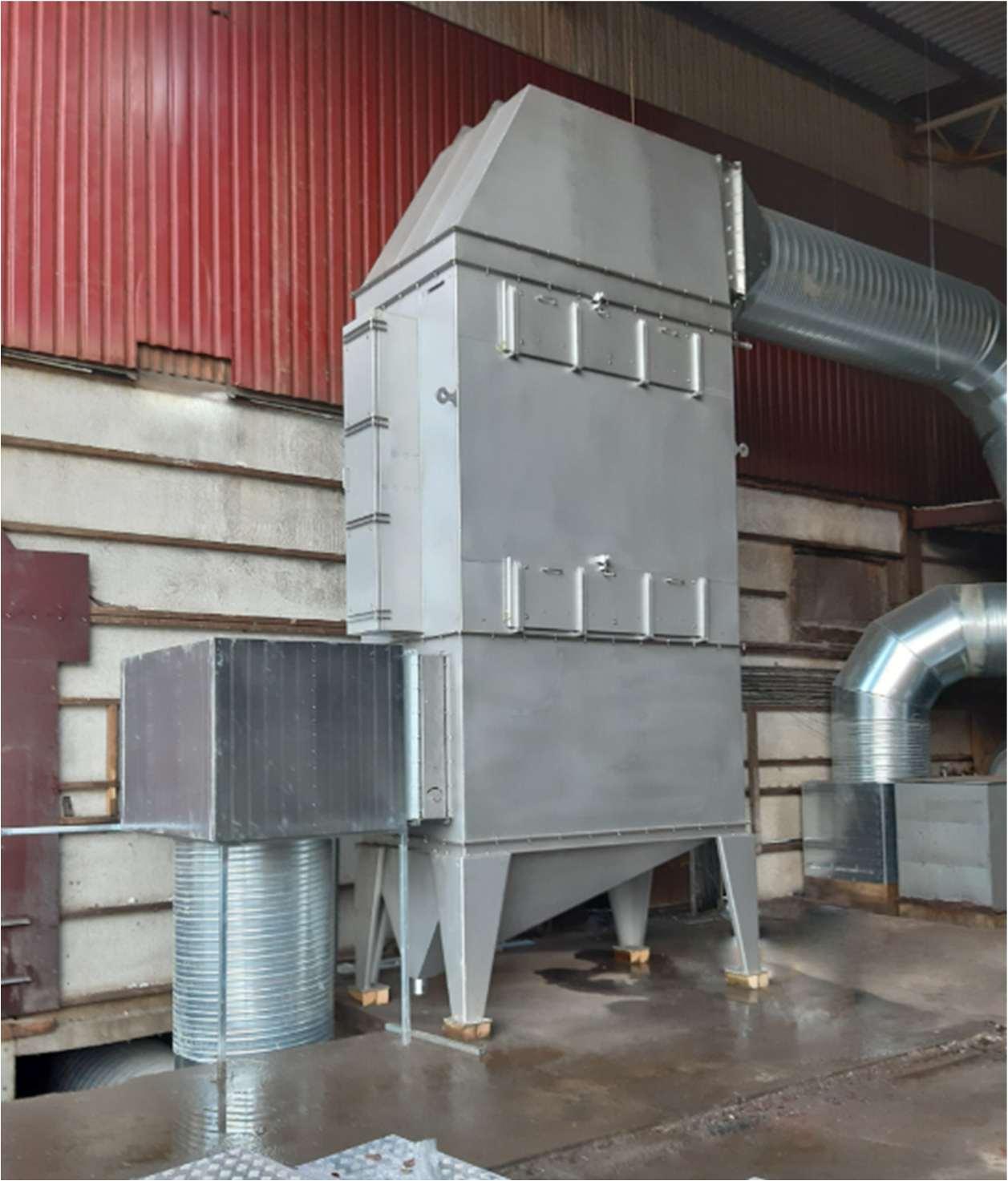
Choose an application below to see how ModuPlasma® handles complex chemical and organic exhaust streams.
Controlling strong fatty acid and protein odours from dryer and cooler exhaust lines.
Destroying gaseous VOCs, plasticizers, and aromatic solvents from curing zones.
Neutralizing hydrogen sulfide (H2S), mercaptans, and acidic chemical vapors.
Dryer and extruder emissions in pet food and fish feed production contain complex, organic fats and volatile compounds that generate strong environmental odour complaints. ModuPlasma® direct treatment decomposes these organic molecules, achieving up to 95% odour reduction and ensuring compliance with local environmental guidelines.
Coating, printing, and plastic manufacturing processes release volatile organic compounds (VOCs) such as toluene, xylene, and plasticizer aerosols. ModuPlasma® breaks the complex hydrocarbon chains in the exhaust air, converting them into basic carbon dioxide and water vapor, bypassing the need for expensive thermal combustion.
Municipal sludge dewatering, pump stations, and chemical compounding produce highly corrosive hydrogen sulfide (H2S), mercaptans, and acid droplets. ModuPlasma® oxidizes these sulfur species directly into water-soluble salts without chemical scrubbers, eliminating wet waste and toxic odors.
ModuPlasma® technology has been deployed in commercial applications since 1997. Rigorous testing by independent environmental labs shows consistent removal efficiencies across multiple sectors.
Typical removal rates measured in active industrial operations.
| Application Sector | Target Pollutant | Removal Efficiency | Verified Standard |
|---|---|---|---|
| Fish Feed & Pet Food | Organic Odour Units (OU) | 90% - 95% | EN 13725 Olfactometry |
| Plastic Extrusion | VOCs & Plasticizers | 85% - 95% | NS-EN 12619 (FID) |
| Sludge Wastewater | Hydrogen Sulfide (H2S) | > 98% | Electrochemical Sensors |
| Paint & Varnishing | Solvents & Hydrocarbons | 80% - 95% | Gas Chromatography (GC-MS) |
Typical specifications for a standard ModuPlasma® industrial filtration cell.
Calculate the dramatic fuel and operational cost savings of ModuPlasma® cold plasma compared to traditional Thermal Oxidizers (RTOs) or Activated Carbon Filters.
| Performance Metric | Traditional System | SEID ModuPlasma® | Net Savings |
|---|---|---|---|
| Electrical Fan & Control Load | -- | -- | -- |
| Fuel / Media Consumables | -- | -- | -- |
| Total Annual Operating Cost | -- | -- | -- |
Provide details about your current exhaust volume and chemical composition, and our engineering team will provide a customized operational cost analysis.